Phonosynthesis
FONOSINTESI explores the spread of invasive alien species in relation to climate change through an interactive sound installation in which plants become active participants.
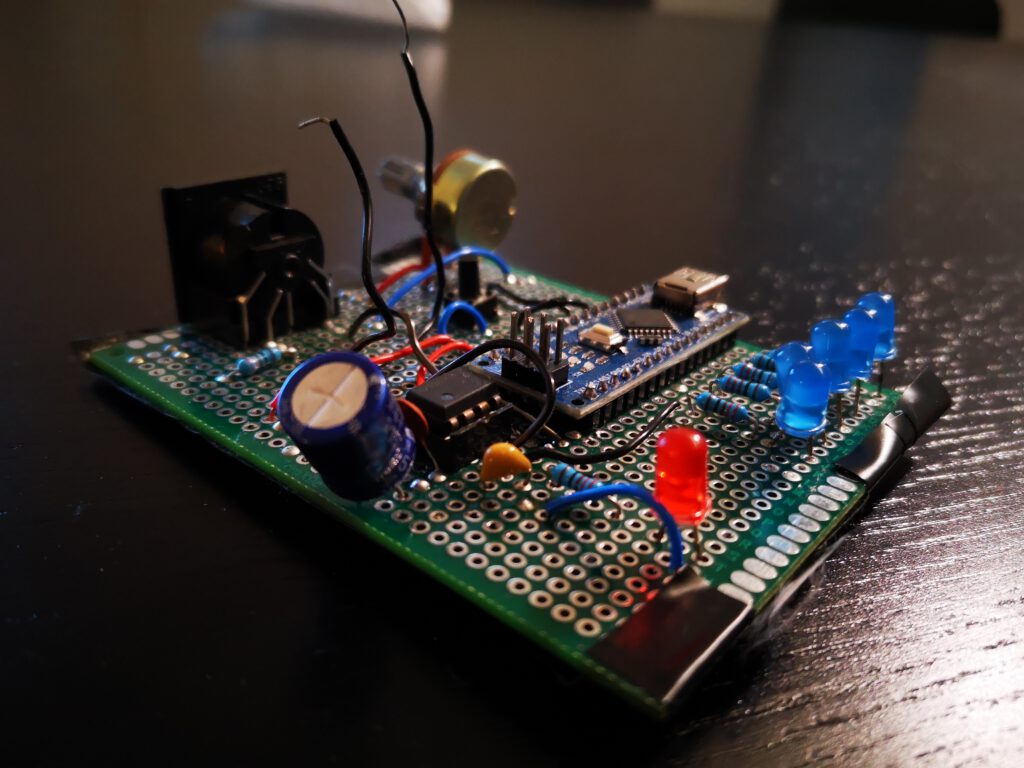
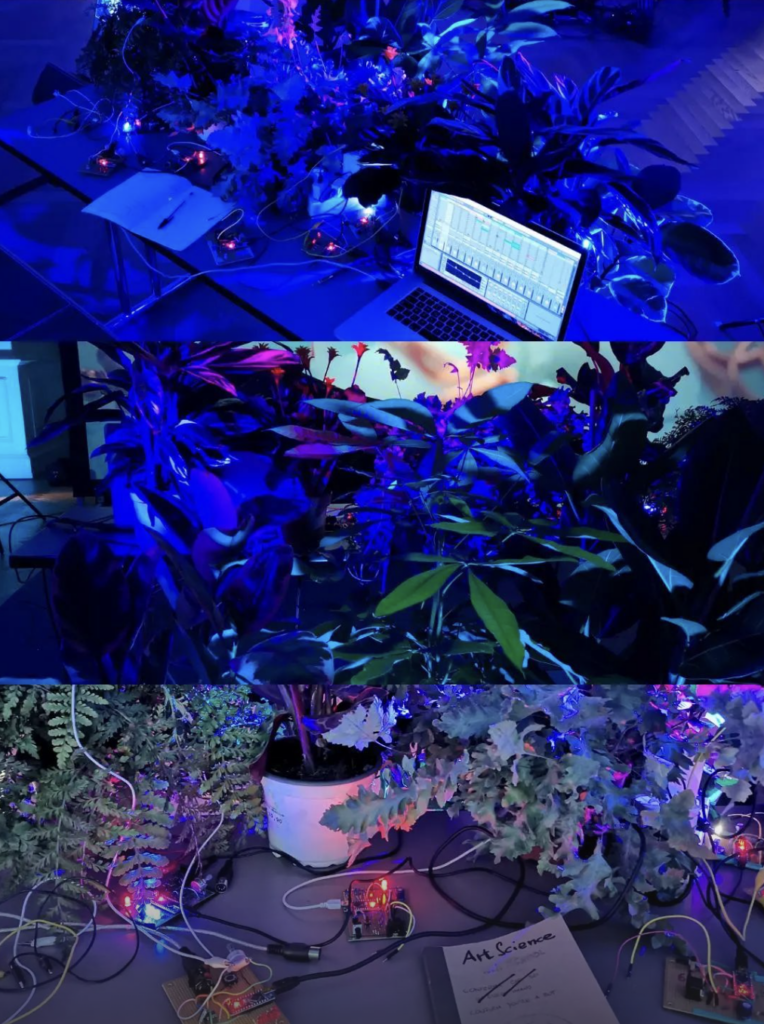
Invasive plants were collected in natural areas around Trieste with the support of a botanist and connected to custom electronic circuits controlled by Arduino. A small electrical current passing through the plants responds to variations in conductivity caused by factors such as water, environmental conditions and human touch.
These variations are translated into data and associated with musical sounds, creating a constantly changing sonic response. Each invasive species was connected to musical material referring to its geographical origin, establishing an additional relationship between biological migration, geography and sound.
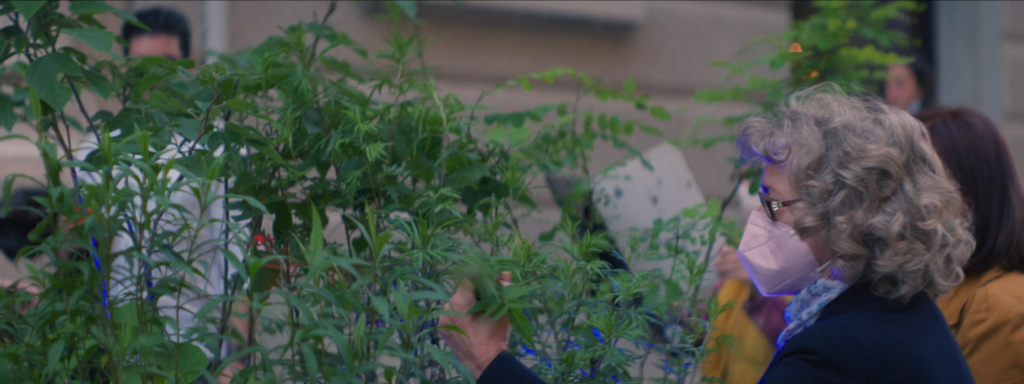
Presented together as an interactive installation, the plants can be touched by visitors, transforming their electrical variations into a collective sound environment.
FONOSINTESI uses interaction and sonification as tools for science communication, creating an accessible starting point for conversations about invasive alien species, biodiversity and climate change.
Concept, artscience research, interaction design and project development.
I developed PHONOSYNTHESIS as a science communication experiment combining biological phenomena, electronics and sound.
The project involved field collection of invasive plant species, development of the interactive system and collaboration with scientific and creative practitioners to translate changes in plant conductivity into an audiovisual and participatory experience.
invasive alien species / climate change / biodiversity / plant conductivity / bio-sensing / sonification / human-plant interaction / science communication
Andrea Gulli – music
Alessandro Fontana – coding advice
Annamaria Sgubin – handmade book
Dobialab
CMCC Climate Change Communication Award “Rebecca Ballestra” – Selected project, 2021
Trieste Film Festival – Trieste, 2022
Far East Film Festival – Udine, 2022